


The digital age continues to reshape our lives, influencing everything from communication to commerce. One of the most fascinating developments in this arena is the clothes remover AI tool, a technology that promises to revolutionize how we perceive fashion and image representation. This innovative tool can intelligently remove clothing from images while maintaining a high level of detail, presenting significant implications for various industries. Such innovation can be explored further at clothes remover ai tool https://aiclothesremover.app/. In this article, we delve deep into the mechanics, applications, and ethical considerations surrounding the clothes remover AI, as well as its potential to change how we think about clothing and imagery.
Understanding Clothes Remover AI Technology
At its core, a clothes remover AI tool leverages advanced machine learning algorithms, particularly those related to computer vision and image processing. These algorithms are trained on extensive datasets that include numerous images of clothing and human figures. By learning to differentiate between fabric and skin tones, the AI can effectively detect and remove clothing while accurately preserving the contours and textures of the underlying image.
The process usually involves several steps, including image segmentation, edge detection, and texture synthesis, ensuring that the final output appears natural and seamless. Such technology utilizes neural networks, particularly convolutional neural networks (CNNs), to classify and manipulate image data, underscoring the sophistication of modern AI tools.
Applications in Various Industries
The applications of clothes remover AI extend across numerous sectors. In the fashion industry, retailers and designers can use this tool for various purposes, such as creating virtual fitting rooms or allowing customers to visualize how different garments would look in conjunction with their existing wardrobes. By offering immersive shopping experiences, businesses can potentially increase customer satisfaction and reduce return rates.
Furthermore, the tool can assist graphic designers and photographers in their work. Removing clothing from images allows artists to explore alternative design concepts without the constraints of physical garments. This capability can inspire creativity and experimentation, leading to groundbreaking visual outputs that were previously unfeasible.

In the realm of marketing and advertising, brands can use these tools to generate eye-catching promotional materials. However, it is crucial that they do so ethically and transparently. Manipulating images can easily mislead consumers if not approached correctly, leading to trust issues between brands and their customers.
Ethical Considerations
With great power comes great responsibility. The capabilities of clothes remover AI raise several ethical considerations that cannot be overlooked. The potential for misuse is significant; for instance, it could be employed in creating inappropriate or non-consensual imagery. This presents serious implications for privacy and respect within both personal and professional contexts.
To address these concerns, developers and companies using such technology should establish stringent ethical guidelines and protocols. Transparency in how this technology is used, obtaining explicit consent for any image manipulation, and focusing on positive applications can help mitigate potential harm.
Future of Clothes Remover AI
Looking ahead, the advancements in AI technology are likely to give rise to e
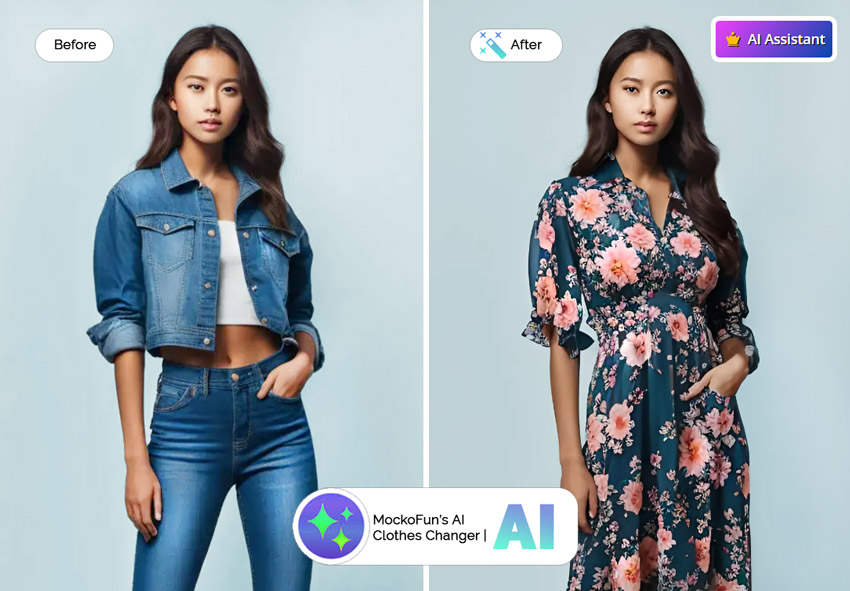
ven more sophisticated clothes remover tools. Researchers are continuously improving algorithms for greater accuracy and detail, with the end goal of creating a utility that meets users’ needs while adhering to ethical standards.
Moreover, as virtual and augmented reality technologies progress, the integration of clothes remover AI into these platforms can lead to immersive experiences in fashion. Customers may eventually be able to “try on” garments in virtual environments, making outfits personalized and interactive in ways never before imagined.
Conclusion
The clothes remover AI tool represents a significant intersection of technology and fashion, showcasing how artificial intelligence can enhance our interaction with images and personal expression. While its potential benefits are vast, it is equally essential to remain vigilant regarding ethical implications. By prioritizing responsible and respectful use, we can harness the potential of this technology to create innovative solutions and experiences in the ever-evolving landscape of fashion and imagery.
As this technology continues to evolve, it will undoubtedly push the boundaries of creativity and innovation. Embracing the future means not only leveraging advancements like clothes remover AI but doing so thoughtfully and ethically, ensuring that this fantastic tool serves as a force for good in our world.