

The Role of Luck in Gambling
Luck has long been a foundational element in the allure of gambling. Players often enter casinos with the conviction that luck will sway the odds in their favor, leading to exhilarating victories or devastating losses. The unpredictable nature of games, from slot machines to poker tables, cultivates an environment wherein players attribute their outcomes to sheer happenstance. This belief in luck can imbue the gaming experience with excitement but also casts a shadow of uncertainty, as outcomes remain inherently unpredictable. Many gamblers enter a casino with a sense of hope, believing that luck will be their ally, especially when they find an online casino accepting neosurf , which adds to the thrill of the experience.
Moreover, many players engage in rituals or superstitions to enhance their perceived luck. These can range from lucky charms, specific seating arrangements, or the timing of their visits to the casino. Such behaviors reflect a deep psychological connection to the concept of luck, suggesting that players believe their actions can coax favorable outcomes from the gambling gods. Rituals can provide a sense of comfort and control in an environment where randomness reigns supreme. However, while these practices may enhance the emotional experience, they do not affect the mathematical realities of the games.
Despite the prominence of luck in the casino narrative, it is vital to recognize the role of mathematics and house edge. Each game is crafted with its probability distribution, ensuring that the house maintains an advantage over time. This mathematical foundation means that while luck can influence short-term results, long-term success in gambling is more closely tied to statistical outcomes than whimsical chance. Understanding this balance between luck and strategy is crucial for any player looking to optimize their gaming experience and minimize potential losses.
The Psychology Behind Beliefs in Luck
Understanding how luck impacts casino outcomes requires delving into human psychology. Belief in luck can disproportionately affect decision-making, leading players to make riskier bets or chase losses in hopes of a lucky turnaround. Cognitive biases, such as the gambler’s fallacy—where individuals mistakenly believe that past outcomes affect future results—can skew a player’s perception of their gambling situation. This blend of psychology and luck can create a dangerous cycle where the illusion of control leads to further gambling, often resulting in financial consequences that could have been avoided.
This psychological dependence on luck can also manifest in emotional responses to wins and losses. Celebrating a win as a stroke of luck can foster a heightened sense of euphoria, while losses can rapidly spiral into frustration or despair. Players may find themselves attributing success to personal skill and failures to bad luck, reinforcing a mindset that can lead to repeated gambling despite financial setbacks. This highlights the intricate connection between luck and mental well-being, prompting players to consider not just their monetary stakes but their emotional investment as well, as these feelings can significantly affect future gambling decisions.
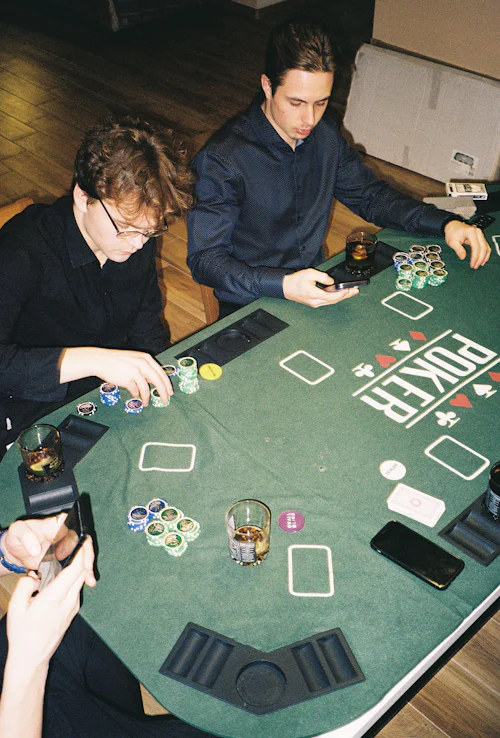
Furthermore, understanding the psychology of luck can empower players to approach gambling with a more informed mindset. By acknowledging the randomness inherent in games, players can learn to enjoy the thrill without falling prey to destructive habits. Strategies such as setting strict limits on playtime and spending can help mitigate the adverse effects of chasing luck. By recognizing how emotions and cognitive biases influence decision-making, players can better navigate the complex landscape of gambling and appreciate the entertainment value of casino gaming without succumbing to the damaging aspects of gambling addiction.
The Impact of Game Design on Luck Perception
The design of casino games plays a significant role in shaping players’ perceptions of luck. Game mechanics often include elements that highlight the influence of chance—such as flashing lights, celebratory sounds, and progressive jackpots—all of which can create an illusion of frequent wins. Slot machines, for instance, are engineered to deliver small wins that encourage continued play, reinforcing the idea that luck is at play even when the house maintains an advantage. These design elements can manipulate player emotions, fostering an environment where the thrill of potential winnings overshadows the reality of the long-term odds.
Moreover, the introduction of features like bonus rounds and free spins further embellishes the perception of luck. These elements can create a sense of control and increase player engagement, as participants often feel that they have an opportunity to influence their outcomes. This design strategy leans heavily into the psychology of luck, as the excitement generated by these features may overshadow the underlying probabilities of winning. Players may find themselves caught in a cycle of expectation and hope fueled by these designed experiences, even as the mathematical reality remains unchanged.
On the other hand, games that emphasize skill, such as poker or blackjack, create a different dynamic regarding luck. Skilled players rely on strategy, psychology, and probability management, which contrasts with the sheer luck of games like roulette or slots. This variance leads to debates on the role of luck in outcomes, with some arguing that skill can mitigate the randomness of luck, while others remain steadfast in their belief that luck reigns supreme, particularly in the short term. The interplay between luck and skill highlights the complexity of gambling, where understanding game mechanics can significantly affect a player’s approach and mindset.
The Long-Term View on Luck and Gambling
When examining the influence of luck on casino outcomes, it’s essential to consider long-term versus short-term perspectives. In the short term, players may experience streaks of luck that can lead to significant wins or losses, making it seem as though luck is a dominant factor in their gambling experience. However, over the long haul, the mathematical principles of games prevail, revealing that luck balances out and that the house edge ultimately dictates outcomes. This understanding is crucial for gamblers who want to engage responsibly and sustainably in casino gaming.
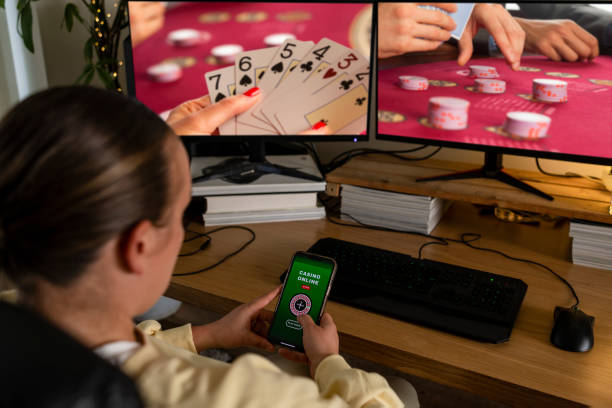
Players who focus on short-term luck may find themselves drawn into cycles of gambling that can lead to financial distress. It’s crucial for players to cultivate a long-term perspective that considers not just immediate outcomes but the broader implications of their gambling behavior. Successful gamblers learn to navigate risk and reward, understanding that luck, while impactful in the moment, must be managed within a framework of responsible play and strategic decision-making. Recognizing that luck will fluctuate over time can help players avoid the pitfalls of emotional gambling.
This long-term approach involves setting realistic expectations, budgeting for losses, and recognizing that luck is part of a broader equation that includes skill, strategy, and game design. By acknowledging the fluctuations of luck while committing to responsible gambling practices, players can enhance their gaming experiences and minimize the potential downsides associated with relying solely on luck. This balanced perspective enables players to maintain their enjoyment of gambling while safeguarding against the risks that can accompany impulsive behavior.
Explore More About Game Strategies and Luck
For those intrigued by the duality of luck and strategy in casino gaming, it’s invaluable to educate oneself on the various aspects of gambling. Numerous resources provide insight into game mechanics, strategies that balance luck and skill, and psychological insights into player behavior. By exploring these materials, players can arm themselves with knowledge that enhances their understanding of how luck factors into their gaming experience. This education can lead to more informed decisions and greater enjoyment of the games.
Engaging with communities, forums, or educational platforms can further enrich one’s knowledge base and provide perspectives from seasoned players. Learning about different strategies can equip individuals to make informed decisions, manage expectations, and develop a healthier relationship with gambling. The combination of luck and skill should be viewed as a spectrum, where informed decisions can lead to more enjoyable experiences, regardless of the immediate outcomes. This proactive approach can transform gambling from a game of chance to one of calculated enjoyment.
Ultimately, the relationship between luck and casino outcomes is multifaceted, and understanding it can lead to a more enriching gaming experience. Embracing the thrill of luck while being armed with knowledge and strategies enables players to navigate the vibrant world of casinos, ensuring that their adventures are as enjoyable and responsible as possible. By adopting a holistic view of gambling that includes both luck and educated strategies, players can maximize their potential for enjoyment while minimizing risks associated with chance-based games.